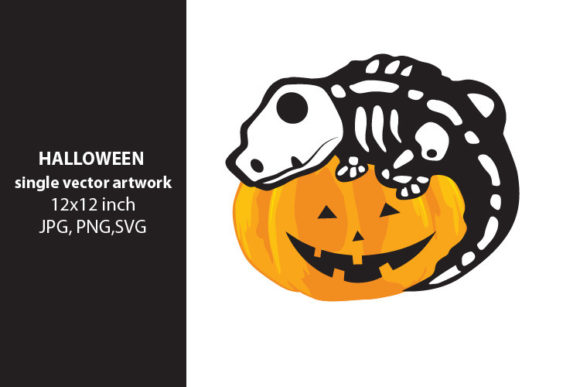
Lizard Skeleton Vector Illustration for Blog and Web Design
As an experienced blog designer and digital publisher, I’ve reviewed countless graphic design assets over the years. The Lizard Skeleton stands out as a versatile illustration that can elevate editorial content and website visuals with its unique character and artistic appeal.
A First Impression: Playful Yet Professional
The moment I saw the Lizard Skeleton, it immediately felt like a creative design asset that could work across multiple niches. It carries a playful yet professional mood, making it suitable for lifestyle blogs, educational resources, or even niche marketplaces focused on handmade crafts and creative design.
This single vector artwork has a clean, modern aesthetic that feels both artistic and adaptable. It doesn’t scream “children’s book” or “party theme,” but it also doesn’t feel overly serious. This makes it ideal for content creators looking to add visual interest without compromising their brand identity.
Editorial Mood and Content Niche Fit
The Lizard Skeleton exudes a slightly whimsical energy, which is perfect for content niches that lean into creativity, DIY projects, or educational themes. Whether you're publishing a digital guide on nature, creating printable designs for a small business, or designing Pinterest pins for an affiliate marketing campaign, this illustration adds a touch of originality.
It naturally supports content that wants to appear fun, engaging, and visually rich. Think of it as a subtle way to enhance reader trust by showing that your content is crafted with care and attention to detail.
Real Publishing Use Cases for Lizard Skeleton
The Lizard Skeleton can be used in a variety of real publishing scenarios:
- Blog Featured Images: As a header or lead image for articles about nature, creative hobbies, or handmade crafts.
- Pinterest Graphics: To create eye-catching pins that stand out in a sea of similar content.
- Newsletter Banners: For introducing new downloadable resources or content upgrades.
- Article Thumbnails: To improve click-through rates on platforms like Medium or Substack.
- Downloadable Resources: As part of a digital guide, worksheet, or eBook cover that needs a memorable visual element.
- Social Media Previews: For Facebook, Instagram, or LinkedIn posts that need a more artistic flair.
- Canva Templates: To build custom templates for blog graphics, social media posts, or printables.
Its versatility makes it a great fit for any content marketer or digital publisher who wants to maintain a consistent brand identity while keeping their visuals fresh and engaging.
Boosting Content Performance with Lizard Skeleton
Using the Lizard Skeleton can help strengthen your visual hierarchy and make your content more clickable. It adds a layer of visual interest that helps draw the reader’s eye, especially when paired with well-written headlines and clear call-to-actions.
When used correctly, it can reinforce your brand identity and create a stronger sense of recognition across your website or social media channels. It also helps differentiate your content from competitors by adding a unique, artistic touch that reflects your creative design sensibilities.
Where Lizard Skeleton Works Best
The Lizard Skeleton shines in these areas:
- Hero Images: As a large focal point on landing pages or homepages.
- Category Visuals: To represent specific content sections or niches within a larger editorial layout.
- Newsletter Headers: To introduce new content or promotions in a visually appealing way.
- Editorial Accents: Used subtly to highlight key points or sections within an article.
- Lead Magnets: As part of a free resource download that promises value and visual appeal.
Where to Use with Caution
While the Lizard Skeleton is highly versatile, there are certain contexts where it may not be the best choice:
- Small Mobile Thumbnails: Its details might get lost on smaller screens, reducing its impact.
- Text-Heavy Blog Images: If your content relies heavily on text, this illustration may compete for visual attention.
- Low-Contrast Backgrounds: It may not stand out if placed against busy or low-contrast backgrounds.
- Corporate or Minimalist Websites: It may feel too decorative for a very minimal visual system or serious professional niches.
Practical Publisher Notes for Using Lizard Skeleton
Before incorporating the Lizard Skeleton into your content workflow, consider these tips:
- Test Across Devices: Check how it looks on desktop and mobile screens, especially as a thumbnail or in a blog layout.
- Check Contrast: Ensure it pairs well with your chosen text colors and fonts for readability.
- Review File Size: Optimize the file for web performance to avoid slow loading times.
- Confirm Licensing: Make sure you have a commercial license before using it on monetized websites, affiliate pages, or paid content products.
- Experiment with Fonts: Try placing it beside different font styles—serif, sans serif, script, handwritten, or display—to see what works best for your brand identity.
By carefully considering these factors, you can ensure that the Lizard Skeleton enhances your content rather than detracts from it.
Final Thoughts: A Creative Asset Worth Exploring
The Lizard Skeleton is more than just a graphic design asset—it’s a creative tool that can bring life to your editorial content, blog visuals, and digital marketing efforts. Whether you’re a blogger, publisher, or small business owner, this illustration offers a unique opportunity to stand out in a crowded online space.
With thoughtful placement and pairing, it can support stronger first impressions, better category recognition, and improved reader engagement. It's a great addition to any designer's toolkit, especially those looking to infuse their content with a touch of personality and visual storytelling.